
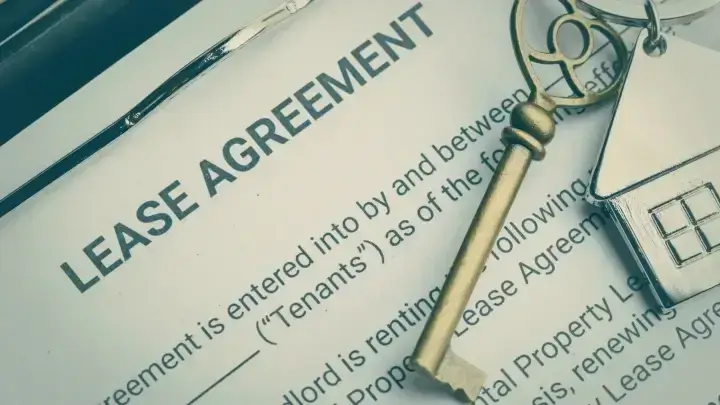
Creating a lease agreement is one of the most important parts of renting out a property. Whether you own a house, apartment, office, or commercial space, having a clear and legal contract protects both the landlord and the tenant. Understanding the steps for creating a legally compliant lease can help prevent confusion, payment problems, and future disputes. A good lease agreement clearly explains the responsibilities of both parties, the rules of the property, and the terms of the rental arrangement. When written properly, it creates a smoother and more professional relationship between landlords and tenants.
A lease agreement is more than just paperwork. It serves as a legal record that explains what both parties agreed to before the tenant moves into the property. Without a detailed lease agreement, misunderstandings can easily happen regarding rent payments, repairs, property use, or ending the lease and that is why most landlords start with a trusted lease agreement template. This is why careful preparation is important for every type of rental property.
Understanding the Importance of a Lease Agreement
A lease agreement is a legal contract between a landlord and a tenant. It gives the tenant the right to use the property for a specific period while requiring them to follow the agreed terms. At the same time, it protects the landlord’s right to receive rent and maintain the property properly.
Why a Lease Agreement Matters
A properly written lease agreement helps both sides understand their rights and responsibilities. It reduces the chance of disagreements because everything is already written clearly in the contract. This becomes especially important when issues arise involving unpaid rent, property damage, or early move-outs.
A strong lease agreement can also help landlords follow local property laws and rental regulations. Different places may have different rules about deposits, notice periods, rent increases, or tenant rights. Including these legal requirements in the lease helps keep the agreement valid and enforceable.
For tenants, a lease agreement provides security and peace of mind. It clearly states how long they can stay in the property, how much rent they need to pay, and what rules they must follow while living or operating in the space.
Main Types of Lease Agreements
There are different types of lease agreements depending on the rental arrangement. A fixed-term lease lasts for a set period, such as six months or one year. A month-to-month lease continues until either party decides to end it with proper notice.
Residential leases are used for homes, apartments, and condominiums, while commercial leases are used for offices, shops, and business spaces. Industrial leases may apply to warehouses or factory buildings. Each type may require different terms and conditions depending on how the property will be used.
Information That Should Always Be Included
Every lease agreement should contain complete and accurate information about the landlord, tenant, and property. Full legal names, contact details, and the exact property address should always be included to avoid confusion later.
The lease should also clearly explain the rental amount, payment schedule, accepted payment methods, and penalties for late payments. If there are extra charges for parking, pets, or maintenance, these should also be written in the agreement.
Another important section is the security deposit. The lease should explain how much the deposit is, when it may be used, and the conditions for refunding it after the tenant moves out.
Important Terms and Conditions to Include in a Lease
A good lease agreement should not only explain rent payments but also cover property rules, maintenance responsibilities, and procedures for ending the lease. These details help avoid misunderstandings during the rental period.
Property Use and Occupancy Rules
The lease should clearly state how the property may be used. Residential properties are usually limited to living purposes only, while commercial properties may have restrictions on the type of business allowed.
Occupancy limits should also be included to avoid overcrowding. If activities such as smoking, subletting, or running a business from home are not allowed, these rules should be clearly written in the agreement.
For landlords who allow pets, the lease should explain any restrictions, additional fees, or responsibilities related to pet ownership.
Maintenance and Repair Responsibilities
One of the most common causes of landlord-tenant disputes involves repairs and maintenance. A lease agreement should clearly explain which repairs are the landlord’s responsibility and which tasks the tenant must handle.
Landlords are usually responsible for major repairs involving plumbing, electrical systems, roofing, or structural issues. Tenants are often expected to keep the property clean, handle minor upkeep, and report repair problems quickly.
The agreement should also explain how tenants can request repairs and how quickly the landlord is expected to respond. Having a written process helps both parties manage maintenance concerns more effectively.
Lease Renewal and Early Termination
Every lease should explain what happens when the rental period ends. Some leases automatically renew, while others require signing a new agreement. The process for renewing the lease and possible rent increases should be clearly explained.
The agreement should also discuss early termination rules. This includes situations where the tenant wants to move out before the lease ends or when the landlord needs to terminate the agreement because of rule violations or unpaid rent.
Notice periods are important as well. Most agreements require a written notice before ending the lease. Including this information helps avoid sudden move-outs or legal problems.
Final Review and Signing Process
Before signing the lease agreement, both parties should carefully read every section of the document. Asking questions and clarifying unclear terms can prevent future misunderstandings. Once both parties agree to the terms, the agreement becomes legally binding after signing.
Each party should keep a copy of the signed lease for their records. In some areas, lease agreements may also need to be notarized or registered depending on local laws and the length of the rental term.
A well-prepared lease agreement creates a strong foundation for a positive landlord-tenant relationship. By clearly explaining the rules, responsibilities, and legal protections, both parties can feel more confident throughout the rental process.